
Transitional projects to carry crafters from late winter into early spring
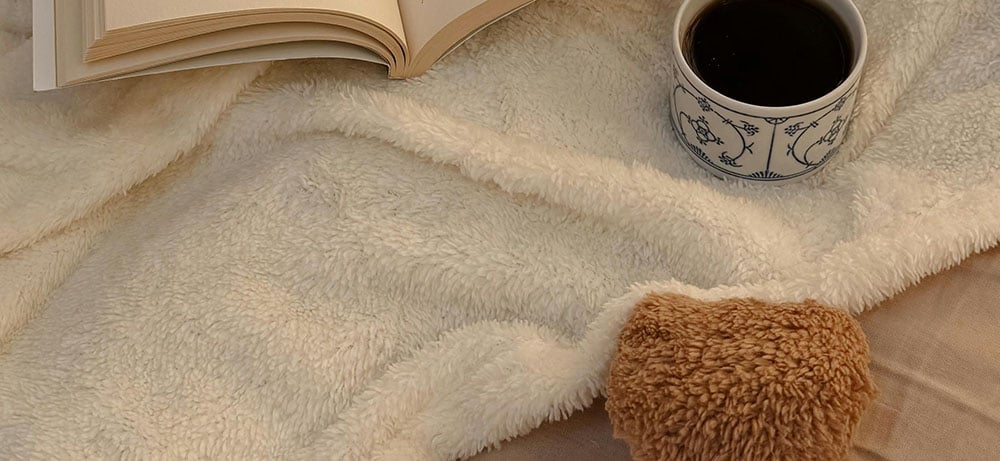
There comes a point in late winter when the heavy projects begin to feel like too much. The chunky blanket that was so satisfying in November now sits half-finished in the basket, and the thought of casting on another cabled sweater brings more fatigue than excitement. Outside, the days are lengthening almost imperceptibly. The light has shifted. Something in the body knows that change is coming, even if the thermometer has not yet caught up.
This is the season for transitional making: projects that honor the in-between, that bridge the heavy quiet of winter and the gentle stirring of spring. These are not the ambitious undertakings of the dark months, nor the breezy summer tanks and tees. They are something softer, lighter, quicker. They are the craft equivalent of opening a window just a crack.
The Case for Smaller Makes
After months of slow, steady progress on larger projects, there is real pleasure in something that can be started and finished within days rather than weeks. A pair of fingerless mitts. A simple cowl. A lacy headband. These smaller makes offer what long projects cannot: the satisfaction of completion, the momentum of moving on, the joy of trying new stitches or colors without committing to months of work.
They also suit the restlessness that often accompanies this time of year. When the urge to start fresh begins to stir, a quick project can scratch that itch without abandoning works in progress. Finish the mitts, then return to the sweater. Bind off the cowl, then pick up the blanket again. Small victories carry us forward.
Projects for the In-Between

Fingerless mitts and wristlets. Perhaps no accessory suits transitional weather quite so well. Fingerless mitts keep hands warm while leaving fingers free for texting, coffee cups, and the first outdoor tasks of spring. They work up quickly in both knit and crochet, making them ideal for trying a new stitch pattern or using up remnants from larger projects. A simple ribbed pair in soft wool takes only an evening or two; a more elaborate cabled version might stretch to a weekend. Either way, the finish line is always in sight.
Lightweight shawls and wraps. The shawls of late winter are not the thick, cocooning wraps of December. They are airier, drapier, meant to be thrown over the shoulders on a cool morning and shed by afternoon. Lace patterns work beautifully here, as do simple crescents in fingering-weight yarn. For crocheters, a triangular shawl in a cotton blend offers the same versatility. These are the layers that move easily from indoors to out, from the last chill of March to the first warmth of April.
Cowls and kerchiefs. For those who find full scarves too bulky as the season turns, a cowl offers just enough warmth without overheating. A single loop in a lighter gauge yarn sits comfortably under a jacket, ready for morning walks when breath still fogs the air. Kerchiefs, whether worn around the neck or tied over the hair, bring a touch of vintage charm and work up quickly in garter stitch or simple crochet mesh.
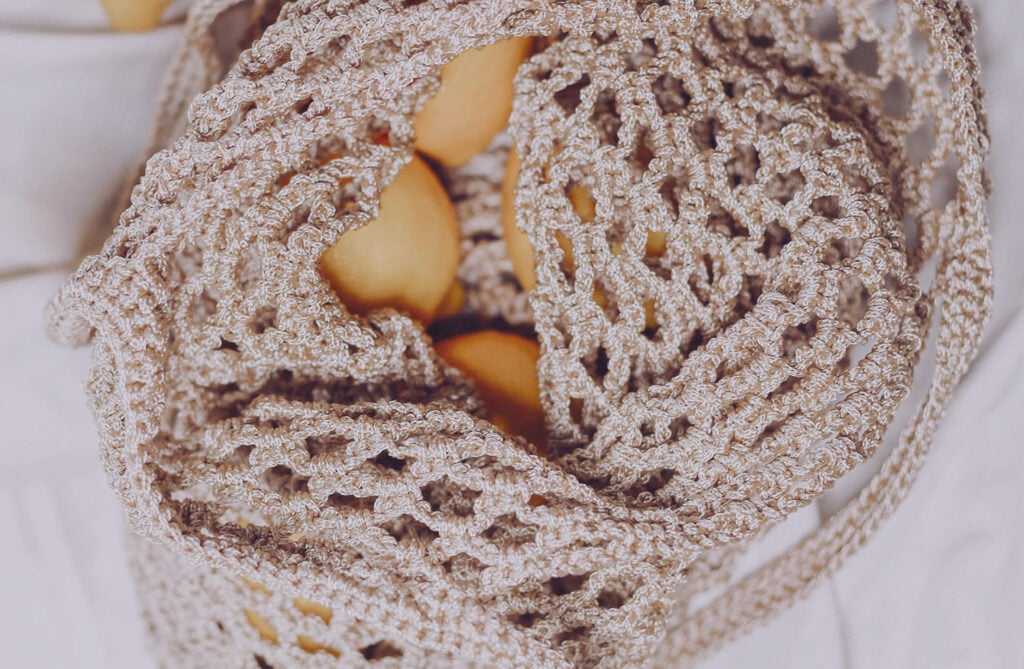
Market bags and project totes. As the world opens up after winter hibernation, a handmade bag signals readiness to venture out. Crocheted market bags in cotton or linen are sturdy, stretchy, and satisfying to make. Knitted totes with simple colorwork can hold everything from farmers market finds to the next work in progress. These projects suit the forward-looking energy of the season: they are made for going places.
Headbands and lightweight beanies. The sun may be brighter, but the wind still bites. A knitted headband keeps ears warm without flattening carefully styled hair; a slouchy beanie in a lighter yarn works for those last cold snaps before true spring arrives. Both knit and crochet versions can be finished in a single sitting, making them perfect for that restless Sunday afternoon when the hands need something to do.
Fibers for the Thaw
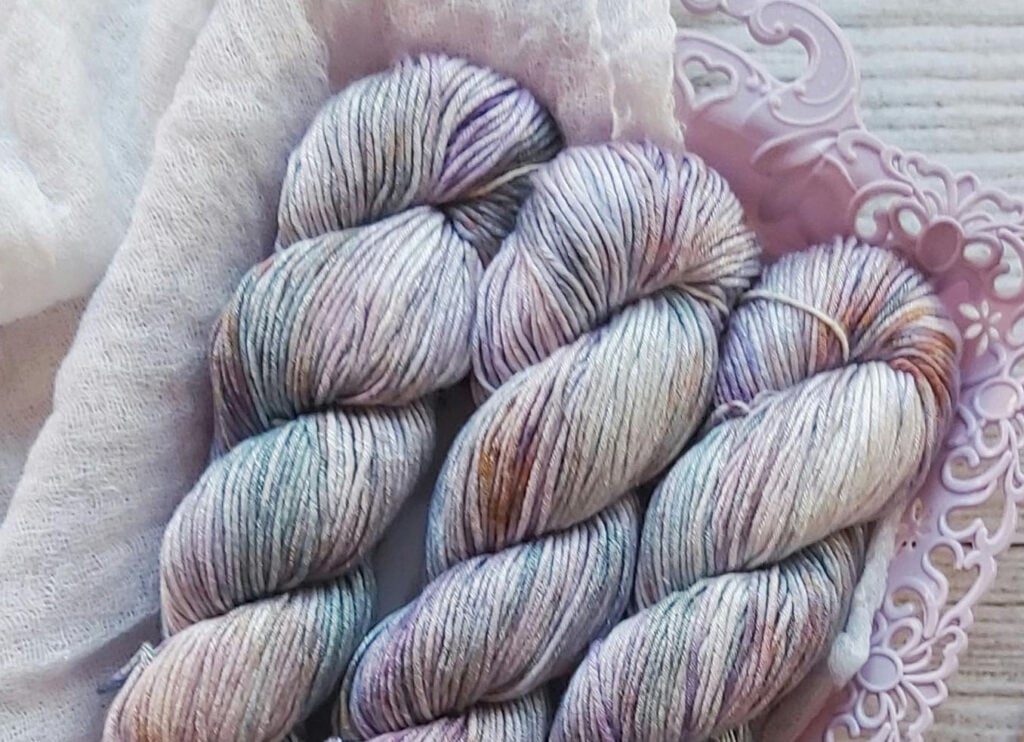
Yarn choice matters as the seasons shift. The heavy wools that felt so right in January may be too warm now, both to wear and to work with. This is the moment for lighter fibers: cotton and linen blends that breathe, bamboo with its subtle sheen, silk mixes that drape beautifully, and lighter-weight wools like merino in fingering or sport weight. These yarns feel different in the hands, cooler and more fluid, and they suit the emerging mood of the season.
Color, too, begins to shift. The deep jewel tones and rich neutrals of winter give way to something softer: dusty rose, pale sage, buttercream, soft gray, lavender, and the warm blush of early blossoms. These are not the bright pastels of Easter baskets but the muted, nature-inspired tones of a world just beginning to wake. They look beautiful against the last gray days of winter and transition easily into the gentler light of spring.
Matching the Energy of the Season

There is wisdom in letting the craft follow the calendar. The long, slow projects of winter suit those long, slow evenings; they ask for patience and reward persistence. But as the earth begins to thaw, something quicker feels right. A pair of mitts finished in a weekend mirrors the quickening daylight. A shawl cast on in late February and bound off in March moves at the pace of the crocuses pushing through the last snow.
These transitional projects also offer a chance to experiment. With less time and yarn invested, there is more room to try a new technique, to play with an unfamiliar stitch, to test a color combination that might feel too risky in a larger piece. The stakes are lower, and the learning is faster. By the time true spring arrives, the hands have remembered their nimbleness, and the maker is ready for whatever comes next.
A Bridge, Not a Pause
The weeks between frost and first blooms can feel uncertain, caught between two seasons without fully belonging to either. But for makers, this is not a pause in the crafting year. It is a bridge. The projects of this season carry us forward, honoring what we have made through the dark months while reaching toward the light ahead.
So wind a skein of something soft and light. Cast on or chain up. Let the work be small, let the finish come quickly, and let each completed project feel like a promise: winter is loosening its grip, and the making continues. Stitch by stitch, row by row, the season turns.
About the Author: Jody Richards

Jody is the founder and lead editor of Knotions. She loves poring over stitch dictionaries and trying out new stitches.
She’s also on a mission to get everyone to embrace the blocking. And, to avoid using garter stitch edges in swatches.
And while she likes all things crafting (well ok, except that one thing), yarn crafts are her true love (and she has the stash to prove it).
Leave a Reply